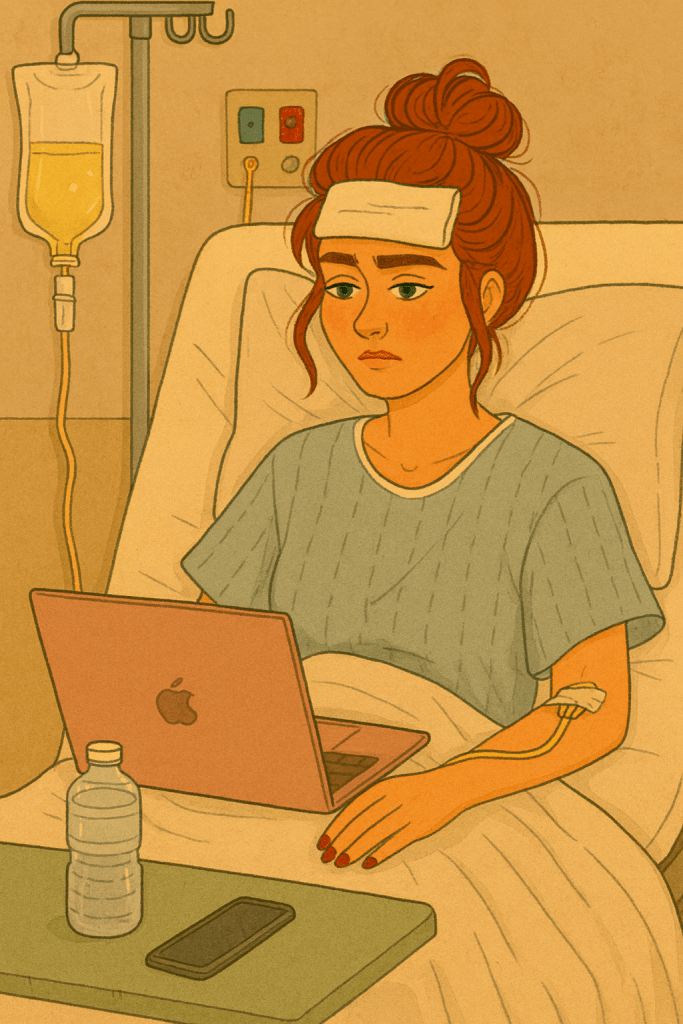
I have Lupus. It’s so weird to say that because besides asthma in my childhood and some thyroid issues years ago that are now also being attributed to lupus, I’ve been relatively healthy in life. At this point, lupus has taken a kidney and an ovary from me so far and I’m still learning everyday what it is and what it means to have lupus. With more people being diagnosed with it, I figured I’d explain the little that I know. When I tell you this has been an experience, I have a hard time even explaining to people what the last two years of life has been like. So I figure explaining what lupus is may help it make sense.
Lupus is an autoimmune disease that causes the immune system to attack healthy tissues which in turn produce inflammation that can affect the skin, joints, blood, and internal organs like the kidneys (lupus nephritis) with unpredictable flare ups being common and require a considerable amount of medical monitoring. The more common form of lupus in SLE or systemic lupus erythematosus. This means lupus can affect many body systems. Basically, lupus tricks your body into attacking the body’s own healthy cells, causing inflammation and tissue damage.
Symptoms for this type of lupus typically are fatigue, joint pain, fever, rashes commonly referred to as the butterfly rash, photosensitivity, and hair loss. Lupus typically operates in a relapse and remitting pattern. When you feel bad from lupus it’s typically referred to as a flare and can happen anywhere from a few days to months to even in bad cases years at a time. Same can go for non-flare periods. During a flare symptoms worsen. It can affect your skin, joints, and organs. They say common triggers for flares are sun or uv exposure, infections, emotional or physical stress, hormonal changes, medications, poor sleep, or even smoking.
My experience with flares is the pain in my joints, mostly my knees, hips, pelvis area, increasing exponentially. Typical days my body is at 2-3 in pain which is very livable and common as you get older but during flares it’s 7-8. I get so exhausted but weirdly can’t sleep well because of the pain so it becomes a cycle of just pure exhaustion. Fevers randomly just come and then it feels like you’re also fighting the flu. If I had to describe it, it’s like going to the gym and working out the hardest you ever have so your body is extremely sore and you have the flu and you’re tired but can’t sleep and you have a weird brain fog where your thoughts make sense to you but you can’t quite get them out properly. There’s a lot of anger and depression that comes along with it as well.
A huge complication of SLE is called lupus nephritis. This is inflammation of the kidneys caused by SLE. This is why I lost a kidney. It’s a major complication and impairs the kidneys’ ability to filter blood, control blood pressure, and balance fluids and electrolytes. About half of adults with lupus and a higher amount for kids have this complication. It can range from mild proteinuria to progressive scarring and kidney failure. Signs of this that I’ve experienced are foamy urine, which is so weird if you have never seen it or experienced it. Swelling, also known as edema, and incredibly high creatinine. Before I lost my left kidney, we tested everything under the sun including a kidney biopsy and even had to undergo dialysis for a while until it was recommended that the left kidney was too far gone and in hopes of saving the right one, the left was removed. People can live well with one kidney and luckily for me so far, it has been the absolute best choice.
There’s a few different ways to manage lupus and its risks with treatment and practical tips. My goals are to control inflammation as best as possible, so it helps with minimizing pain. Also to prevent more organ damage and to reduce flare frequency. Medications can range from antimalarials, corticosteroids, immunosuppressants, and biologics. Kidney disease typically also needs blood pressure controls. Self care is also important so things like sun protection, stress management which I personally suck at, regular sleep, gentle exercise, and staying on top of making sure you’re taking all medication and vitamins are important.
The takeaway from all this is if you know anyone with lupus, be easy on them. Their body is going to war against themselves and it’s a heck of a feeling while it’s happening. They also have to deal with this while being a productive human in life. They work, have families, relationships, etc to worry about on top of surviving. Luckily lupus is variable but treatable. Early recognition of kidney involvement is vital. With prompt management of flares, it can help reduce long term harm. It’s important to stay on top of doctor visits and see a rheumatologist. Clear communication is extremely important. So, if you have lupus just be easy with yourself. It’s a nasty disease but you can make it through. It doesn’t define you and gives your body as much grace as possible.
XOXO,
Savi Monroe
 Savi Monroe XO