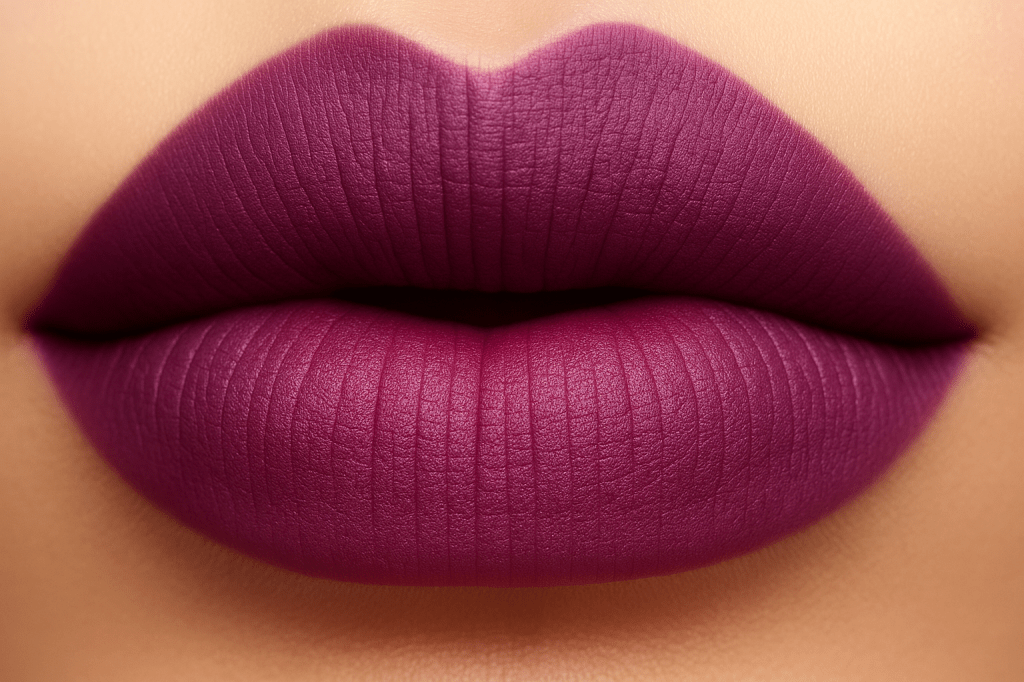
The original luxury pigment. It’s born from sea snails, worn by emperors, and still casting a spell. Tyrian Purple wasn’t just discovered, it was extracted, painstakingly, from the mucus of Murex Sea snails by the Phoenicians around 1500 BCE. The city of Tyre, which is modern day Lebanon. It became the epicenter of this dye’s production, and the process was anything but glamorous: because snails were crushed, fermented, and boiled for days. The stench? Infamous. The result? A reddish purple pigment so vivid it refused to fade and it intensified in sunlight.
This wasn’t just color, but it was currency. Tyrian Purple was worth its weight in gold, and its exclusivity turned it into a political tool. Roman emperors wore it to assert divine authority. Byzantine rulers monopolized it. Laws were passed to keep it out of common hands. If you weren’t royalty, wearing it could get you fined or worse.
In ancient Rome, the toga purpurea which is a full Tyrian Purple toga was reserved for emperors. Senators got purple stripes. Everyone else? Back to Beige. The color became shorthand for hierarchy, legacy, and divine favor. Even Cleopatra was rumored to have worn it to flaunt her status and seduce Rome’s elite. Fast forward to today, and Tyrian Purple still whispers power. Designers channel its drama in velvet gowns, editorial makeup, and royal themed collections. It’s the color of clotted blood, divine favor, and unapologetic opulence.
Tyrian Purple sits at the intersection of myth and mood. It’s associated with royalty and divinity. It was worn by emperors, bishops, and gods. It represented mystery and transformation. Its snail origins and shifting hues evoke alchemy. It also invoked luxury and rebellion. Once forbidden, now flaunted in high fashion and indie art. It’s also a color of contradiction that was born from decay, yet symbolizing immortality. Tyrian Purple isn’t just a hue, it’s a history lesson, a fashion flex, and a mood.
XOXO,
Savi Monroe
 Savi Monroe XO