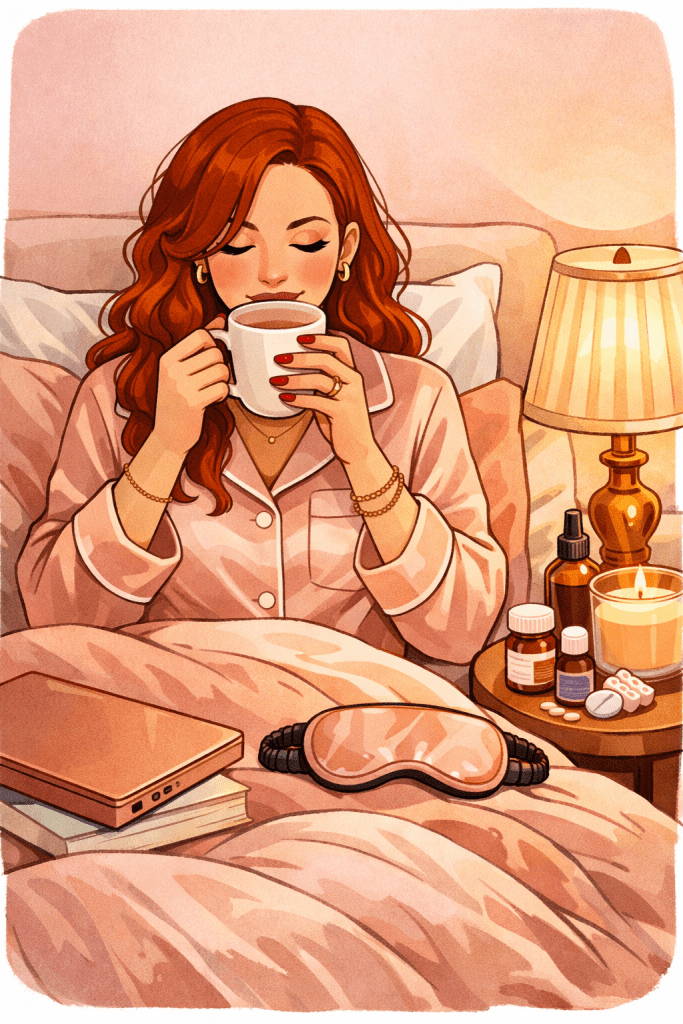
There’s a very specific kind of exhaustion that comes with lupus. It’s the kind that doesn’t care how early you went to bed, how many naps you took, or how many times you whispered “I’m fine” to your reflection. It’s the kind of tiredness that lives in your bones. When you add pain, inflammation, and medication side effects into the mix, sleep becomes less of a nightly reset and more of a strategic operation. So, here’s the quiet truth no one tells you…..sleep hygiene isn’t about discipline. It’s about creating a body-sized sanctuary where rest feels possible again.
Lupus and sleep have a complicated relationship. Pain wakes you up. Fatigue drags you down. Corticosteroids rev your system like you drank three espressos at midnight. Anxiety and inflammation tag team your nervous system. However, your body still craves rest like it’s medicine because it is. Research shows that most people with lupus experience some form of sleep disturbance, and those disruptions can worsen inflammation, mood, and flare frequency. So no, you’re not “dramatic.” You’re not “lazy.” You’re navigating a body that’s fighting a battle even when you’re lying still.
That’s why rituals matter. Not the Pinterest perfect ones, I mean the real ones. The ones that meet you where you are, even if where you are horizontal, annoyed, and wrapped in a heating pad. Start with temperature because things like warm baths, heating pads, or a weighted blanket can calm overactive nerves and soothe joint pain. Lighting helps too, dimming lamps an hour before bed signals your brain to slow down, even if your body is still buzzing from meds. Gentle stretching or slow breathing can quiet the inflammation fueled tension that builds up throughout the day. Also, your bedding matters. Soft, breathable fabrics and supportive pillows aren’t luxuries, they’re accommodations.
Medication side effects deserve their own chapter. Prednisone can make you feel wired at night, so taking it earlier in the day (with your doctor’s guidance) can help. Some immunosuppressants cause restlessness, I fight restless legs syndrome nightly since being on an immunosuppressant, or tremors. Pain meds can sedate you or leave you groggy. It’s not you, it’s pharmacology. Adjusting timing, dosage, or combinations with your care team can make a world of difference. Sleep hygiene isn’t meant to fight your meds, it’s meant to work alongside them.
Now here’s where I get tender with you….sleep hygiene isn’t just physical. It’s emotional. It’s creative. It’s a ritual of self-preservation. Lighting a candle, misting calming spray, putting your phone on Do Not Disturb, applying lotion to your hands, these aren’t chores. They’re micro‑acts of agency. They say, “My body deserves gentleness, even on the days it betrays me.” They turn rest from something you chase into something you prepare for.
Sleep hygiene isn’t about perfection. It’s about permission. Permission to rest even when the world says push. Permission to slow down even when your to do list screams at you with all the things you need to do. Permission to treat rest as medicine, not a reward. Your body is doing the best it can. Your rituals help your body do a little better. It’s not glamorous. Not performative. Just honest. Just human. Just you choosing rest without apology.
XOXO,
Savi Monroe
 Savi Monroe XO