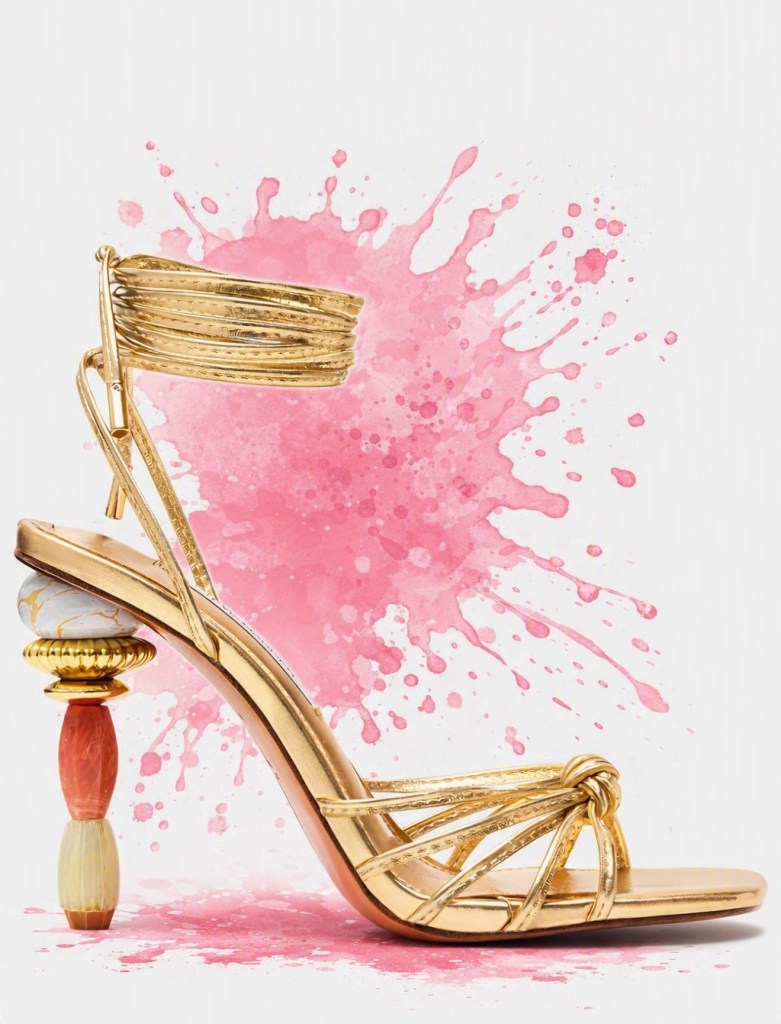
There’s a special kind of thrill that hits when you’re standing in a boutique—surrounded by candles, velvet hangers, and a girl debating between two pairs of boots—and someone walks up to your table, picks up your book, and says: “Wait… what’s this?” Not because they came for a book. Not because they’re at a literary event. But because your book is suddenly part of the aesthetic of the room.
Pop‑ups are the wild card of the author world. They’re unpredictable, chaotic, sometimes awkward, sometimes magical, and always full of potential. This is the part of your author career where you stop waiting for readers to come to you… and you show up where they already are. Welcome to Part 4 of our Killer Heels series: Pop‑Ups & Hybrid Events – How to show up, stand out, and turn unexpected spaces into unforgettable book moments.
What Pop‑Ups Actually Are (And Why They Matter)
Pop‑ups are short‑term, often one‑day or weekend events where you set up a table or display in a non‑traditional book space.
Think:
- Boutiques
- Cafés
- Salons
- Art galleries
- Farmers markets
- Holiday markets
- Corporate lobbies
- Festivals
- Photography studios
- Fashion events
Basically: anywhere humans gather, vibe, and spend money.
Hybrid Events Take It Further
These combine books with another experience:
- Books + coffee tasting
- Books + live music
- Books + fashion styling
- Books + tarot readings
- Books + art installations
- Books + wellness workshops
Hybrid events turn your book into a moment, not just a product and moments are what people remember.
Why Pop‑Ups Work (When They Work)
Pop‑ups are powerful because they break the pattern. Readers expect books in bookstores. They don’t expect books next to a rack of satin dresses or a latte machine. That surprise = curiosity. Curiosity = conversation. Conversation = connection. Connection = sales.
Pop‑ups work best when:
- Your book fits the vibe of the space
- You bring an aesthetic that complements the venue
- You offer something interactive
- You and the venue cross‑promote
- You treat it like a collaboration, not a transaction
Pop‑ups flop when:
- The audience is wildly mismatched
- You show up with zero branding
- You don’t promote the event
- You rely solely on foot traffic
- You don’t explain what you’re offering
Pop‑ups are not passive. They’re performance.
How to Find Pop‑Up Opportunities
You’re not waiting for invitations, you’re creating them.
Local businesses
Start with:
- Boutiques
- Salons
- Spas
- Coffee shops
- Gift shops
- Candle stores
- Art galleries
- Photography studios
Ask: “Do you ever host pop‑ups or maker events? I’m a local author and I’d love to collaborate on a book‑themed pop‑up.” You’d be shocked how many say yes.
Markets & fairs
Look for:
- Craft fairs
- Holiday markets
- Farmers markets
- Street festivals
- Vendor events
Check vendor applications. Many allow authors, even if they don’t advertise it.
Collaborations with other creatives
This is where the magic happens.
Partner with:
- Photographers
- Fashion designers
- Jewelry makers
- Artists
- Musicians
- Wellness coaches
- Florists
Create themed events like:
- Noir mystery + jazz night
- YA apocalypse + cosplay meet‑up
- Romance + candle‑making workshop
- Thriller + “true crime trivia” evening
Your book becomes part of the experience.
How to Apply and Be Part of Pop‑Ups (Step‑By‑Step)
Pop‑ups are less formal than book fairs—but they still require strategy.
Step 1: Identify the hook
Why does your book fit their vibe?
Examples:
- Your Killer Heels series fits perfectly in a fashion boutique
- A cozy romance fits in a café
- A thriller fits in a bar or brewery
- A YA fantasy fits in a comic shop
- A poetry collection fits in an art gallery
Your hook is the bridge between your book and their space.
Step 2: Pitch a win‑win
Your pitch should highlight:
- What the venue gets
- What you bring
- Why it’s easy for them
Example: “I can bring a visually aesthetic display, promote the event to my readers, and create a fun experience for your customers. You get extra foot traffic and unique content for your socials.”
Step 3: Clarify logistics
Ask:
- How much space do I get?
- Do I need to bring my own table?
- Who handles sales, you or the venue?
- What time should I arrive?
- How long is the event?
- Will the venue promote it?
- Can I bring signage or decor?
Clarity prevents chaos.
Step 4: Promote like your life depends on it
Post:
- Instagram stories
- TikToks
- Reels
- Newsletter announcements
- Behind‑the‑scenes prep
- “See you there!” reminders
Pop‑ups thrive on hype.
How to Set Up a Pop‑Up Display That Actually Sells
This is where your Coco‑coded aesthetic gets to shine.
Make it visually irresistible
- Tablecloth (black, branded, or aesthetic)
- Vertical book stands
- A mini poster or framed sign
- Bookmarks or postcards
- A small decor element (flowers, candles, a heel sculpture yes, really)
- A QR code for your newsletter
Your table should look like a curated moment, not a clearance bin.
Make it interactive
Ideas:
- Mini readings
- “Ask me anything about writing”
- A themed photo backdrop
- A giveaway
- Signed bookplates
- A “pick a quote” bowl
- A character playlist playing softly
People love experiences.
Make it easy to buy
Have:
- Card reader
- Cash box
- Clear pricing
- Bundles (“Buy 2, get a bookmark”)
- Signed copies
Remove friction.
Pros & Cons of Pop‑Ups (Especially for First‑Time Authors)
Let’s be honest about the trade‑offs.
The Good
- Fresh audiences You reach people who might never attend a book event.
- Brand personality You can lean into your aesthetic and make your book memorable.
- Flexible formats You can experiment with different setups and themes.
- High content potential Pop‑ups are Instagram gold.
The Bad
- Audience mismatch risk Not everyone in a boutique or café is ready to buy a book.
- Setup costs Decor, travel, supplies.
- Less “bookish” context You may need to work harder to explain your work.
For Debut Authors Specifically
- Great for local presence You become “that author who did the cool event at X café.”
- Low barrier to entry Pop‑ups are often easier to secure than festivals.
- Perfect testing ground Try pitches, visuals, and offers before bigger events.
So… Are Pop‑Ups Worth It?
Absolutely, if you treat them as creative collaborations, not desperate sales attempts. Pop‑ups help you when:
- You choose aligned venues
- You bring aesthetic intention
- You offer an experience
- You promote heavily
- You follow up with the venue afterward
Pop‑ups hinder you when:
- You choose mismatched spaces
- You show up unprepared
- You expect bookstore‑level sales
- You don’t treat it like a partnership
Pop‑ups are not about perfection. They’re about presence.
Killer Heels Takeaway
Here’s what I did…..
- Make a list of 5 local businesses that match your book’s vibe.
- Draft a pop‑up pitch message you can send to each one.
- Create a mini pop‑up kit:
- Tablecloth
- Book stands
- Signage
- Decor
- Payment tools
- Choose one venue to pitch this week.
- Plan one interactive element that makes your pop‑up unforgettable.
That’s it for book fairs, panels, pop ups, etc. Next we will dive into a highly debated topic. Traditional vs Indie and which runway do you want to walk. Itll be all about the pros and cons of publishing routes, and some real talk about control, timelines, and money. Until then keep writing and I hope to read whatever your projects are soon.
XOXO,
Savi Monroe
 Savi Monroe XO